
Boiler Leaking Water? Causes, Solutions and When to Call a Professional
Discovering your boiler is leaking water can be concerning, and rightfully so. As heating specialists in Bath, we understand the worry that comes with finding puddles or drips around your boiler. A leaking boiler isn’t just an inconvenience—it can potentially lead to water damage, inefficient heating, and in some cases, indicate a serious underlying issue that needs prompt attention. Common Causes of a Leaking Boiler Based on our experience helping homeowners across Bath with their heating systems, here are the most frequent reasons why your boiler might be leaking water: 1. Pressure Issues Excessive pressure within your boiler system can force water to escape through relief valves or create leaks at weak points. Signs of pressure problems: If your pressure gauge shows readings that are too high, you may be able to reduce the pressure yourself by carefully bleeding radiators. However, if the pressure continues to rise after being reduced, this indicates a more significant issue requiring professional attention. 2. Corrosion and Worn Components Boilers contain various seals, washers, and gaskets that deteriorate over time, particularly in older systems. Bath’s relatively hard water can accelerate this corrosion process. Components that can leak when corroded: The age of your boiler is often a factor here—systems over 10 years old are much more prone to developing leaks from general wear and tear. 3. Loose Connections Sometimes the solution is as simple as a connection that’s worked loose over time due to the natural expansion and contraction that occurs with heating cycles. Check for: While tightening accessible external connections might temporarily solve the issue, internal connection problems require professional expertise. 4. Damaged Heat Exchanger The heat exchanger is a vital and expensive component in your boiler. Cracks or corrosion here almost always result in leaks and represent one of the more serious issues. Signs of heat exchanger problems: Unfortunately, a cracked heat exchanger often indicates that new boiler may be more economical than repair, especially in older systems. 5. Condensate Pipe Issues Modern condensing boilers produce condensation as part of their efficient operation. This acidic water should drain away through the condensate pipe. Condensate-related leaks typically show: What to Do When You Find Your Boiler Leaking Immediate Steps Prevention: Better Than Cure The best way to avoid a leaking boiler is through preventative maintenance: When Repair Might Not Be Economical If your boiler is leaking due to a significant component failure like the heat exchanger, and the system is over 8-10 years old, replacement might be more cost-effective than repair. Modern Worcester Bosch boilers offer significantly improved efficiency and reliability, potentially saving you money on both repairs and energy costs in the long run. Our boiler replacement service provides transparent quotes and expert advice on the most suitable systems for your property. Expert Help for Your Leaking Boiler If you’ve discovered your boiler is leaking water, GreenSmart’s Bath-based heating engineers are here to help. With years of experience diagnosing and resolving boiler leaks across Bath and the surrounding areas, we can quickly identify the source of your leak and recommend the most appropriate solution. Don’t let a small leak develop into a bigger problem. Call us today on 01225 982222 for professional assistance with your leaking boiler. Our Gas Safe registered engineers will ensure your heating system is restored to safe, efficient operation with minimal disruption to your home.
Boiler Making Strange Noises? What Those Gurgling, Whistling, and Banging Sounds Mean
Is your boiler making noises that leave you concerned? From worrying whistles to bothersome bangs, unusual boiler sounds are often your heating system’s way of telling you something isn’t quite right. As heating specialists serving Bath and the surrounding areas for over 15 years, we’ve heard every strange sound a boiler can make – and we know exactly what these noises typically indicate. Common Boiler Noises Explained Gurgling and Bubbling Sounds That gurgling boiler sound – often described as similar to a kettle boiling or water flowing through pipes – is one of the most common complaints we hear from homeowners across Bath. What it usually means: Gurgling typically indicates air trapped in your heating system. When air bubbles move through your pipework and radiators, they create that distinctive bubbling noise that can be heard throughout your home. How to address it: Bleeding your radiators will often resolve the issue by releasing trapped air. Our detailed guide provides simple step-by-step instructions. A more thorough approach may be needed for persistent boiler gurgling sounds. Power flushing can remove built-up sludge and debris that might be causing circulation problems. Whistling or Kettling Sounds Due to our hard water area, a whistling boiler or high-pitched kettling noise is particularly common in Bath and surrounding villages. What it usually means: These sounds often indicate limescale build-up on your boiler’s heat exchanger. When limescale accumulates, it restricts water flow, causing overheating and the characteristic whistling or kettling noise, named because it sounds similar to a kettle boiling. How to address it: Unfortunately, whistling usually requires professional attention. One of our Gas Safe registered engineers can: For older systems experiencing this issue, replacing your boiler with a modern Worcester Bosch model might be more economical than repeat repairs. Banging, Knocking or Thudding Noises A banging boiler can be particularly alarming and is often described as a thud, knock, or even a hammer-like sound. What it usually means: Banging usually indicates one of three issues: How to address it: Banging sounds generally warrant professional investigation, especially if they’re loud or frequent. Our engineers will: For delayed ignition issues, a comprehensive boiler service often resolves the problem by cleaning crucial components. Vibrating or Humming Sounds A gentle humming is normal for most boilers, but excessive vibration or particularly loud humming isn’t. What it usually means: These sounds typically indicate: How to address it: Check if any external pipes or casings are vibrating against surfaces and provide cushioning if needed. For internal humming issues, professional inspection is recommended. When to Call a Professional About Boiler Noises While some minor noises might be normal, you should contact a heating engineer if: Preventing Noisy Boiler Problems The best way to prevent boiler noises is through regular maintenance. Annual servicing allows our engineers to: Is Your Boiler Making Alarming Noises? If your boiler’s symphony of sounds is causing concern, our Bath-based heating engineers can quickly diagnose and resolve the issue. Modern Worcester Bosch boilers are designed to operate quietly and efficiently, so persistent noise is almost always a sign that something needs attention. Call GreenSmart Services today on 01225 982222 for expert help with your noisy boiler. Our experienced engineers can identify the cause of those gurgling, whistling or banging sounds and recommend the most appropriate solution to restore peace and quiet to your home heating system.
No Heating or Hot Water? 8 Quick Fixes to Try Before Calling an Engineer
Discovering you have no heating or hot water can quickly turn a normal day into a stressful one, particularly during Bath’s chillier months. As local heating engineers who’ve served thousands of homeowners across Bath and the surrounding areas, we understand the panic that can set in when your boiler lets you down. Before you reach for the phone, there are several troubleshooting steps worth trying that might resolve your heating or hot water problems without needing professional assistance. Here’s our practical guide to tackling those moments when you find yourself without heating or hot water, with simple solutions that could save you time, money, and discomfort. Common Causes of No Heating or Hot Water When your heating system fails, the issue typically falls into one of these categories: Let’s explore some quick fixes you can safely attempt yourself. 1. Check Your Boiler Has Power It sounds obvious, but it’s surprising how often this simple issue is overlooked. What to do: Power issues account for approximately 20% of the “no heating” calls we receive in Bath, particularly after electrical storms or power cuts, which are not uncommon in some of the outlying villages around Bath. 2. Examine Your Boiler Pressure Low boiler pressure is another frequent culprit behind heating and hot water problems. What to do: If you have a Worcester Bosch boiler, the pressure gauge is usually clearly visible on the front of the unit, making this check straightforward. 3. Bleed Your Radiators Air trapped in your heating system can prevent hot water circulation, leading to cold radiators and potentially affecting hot water supply. What to do: Our detailed guide on how to bleed your radiators provides step-by-step instructions many homeowners in Bath have found useful. 4. Check Your Thermostat Settings Incorrect thermostat settings are a surprisingly common reason for apparent heating failures. What to do: We often find that after power outages, digital thermostats may revert to default settings, sometimes causing heating to turn off unexpectedly. 5. Examine Your Programmer/Timer Incorrect timer settings can leave you with no heating or hot water at specific times. What to do: After power cuts or clock changes, programmer errors become particularly common across Bath households. 6. Thaw a Frozen Condensate Pipe In winter, a frozen condensate pipe is one of the most common causes of boiler failure in Bath and the surrounding villages, particularly in areas like Lansdown and Combe Down that sit higher and experience colder temperatures. What to do: We see this issue frequently during cold snaps, and it’s something you can usually fix yourself without professional help. 7. Reset Your Boiler Sometimes, just like a computer, your boiler needs a simple reset to resolve electronic glitches. What to do: Modern Worcester Bosch boilers usually have clearly marked reset buttons and straightforward reset procedures. 8. Check for Fault Codes Modern boilers typically display error codes when something goes wrong, which can help identify the problem. What to do: When to Call a Professional Heating Engineer While the steps above resolve many common issues, some situations require professional attention. Call us if: Our boiler repair service covers all boiler types across Bath and the surrounding areas, with fast response times, especially for vulnerable customers. Preventing Future Heating Problems Regular maintenance significantly reduces the risk of having no heating or hot water. Annual boiler servicing allows our Gas Safe registered engineers to identify and address potential issues before they lead to breakdowns. A new boiler might be more economical in the long run if you have an older boiler that’s repeatedly leaving you without heat or hot water. Modern Worcester Bosch boilers offer exceptional reliability and efficiency, potentially saving you money while providing peace of mind. Still Have No Heating or Hot Water? If you’ve tried these troubleshooting steps and your boiler is still not providing heating or hot water, it’s time to call the professionals. At GreenSmart Services, our experienced heating engineers are just a phone call away. We provide prompt, efficient boiler repairs throughout Bath and the surrounding areas, with transparent pricing and no hidden charges. Call us today on 01225 982222 to arrange a visit from one of our qualified engineers, who’ll have your home warm and comfortable again as quickly as possible.
Preparing Your Boiler for Summer: Maintenance Tips
As the warmer months approach, many homeowners across Bath and Somerset tend to forget about their heating systems. After all, why worry about your boiler when you’re not using it? However, summer boiler maintenance is actually one of the smartest moves you can make as a homeowner. As local heating engineers who’ve served the Bath area for years, we’ve seen how proper preparation in the summer can prevent winter headaches and extend your boiler’s lifespan considerably. Let’s explore the essential maintenance tasks to prepare your boiler for the summer months and why this often-overlooked timing is perfect for specific heating system jobs. Why Summer Boiler Maintenance Matters You might think that giving your boiler a complete rest during summer is the best approach, but there are compelling reasons to keep it in mind: Preventing System Seizure Boiler components and central heating pumps can seize up when left dormant for extended periods. Valves, pumps, and other moving parts benefit from occasional use, even during warmer months. Identifying Problems Early Summer provides the perfect opportunity to spot any developing issues without the pressure of needing immediate heat. Finding problems now means you won’t be left in the cold when autumn arrives. Availability of Engineers Our diary tends to be less busy during the summer compared to our peak winter period. This means more flexible appointments and often quicker service. Preparing for Efficiency A well-maintained boiler will run more efficiently when needed again, helping to lower energy bills during colder months. Essential Summer Boiler Maintenance Tasks 1. Run Your Heating Briefly We recommend turning on your central heating for about 15 minutes monthly during summer. This simple action keeps the system active and helps prevent moving parts from seizing. Think of it like occasionally starting a car that’s kept in storage – it keeps everything in working order. 2. Check Your Boiler Pressure Summer is the perfect time to ensure your boiler pressure is at the optimal level (usually between 1-1.5 bar). Low pressure can cause inefficiency, while high pressure might trigger safety features. If you’re unsure how to check or adjust pressure, ask us when we service your boiler. 3. Bleed Your Radiators Before shutting down your heating system for summer, it’s wise to bleed your radiators to release any trapped air. This ensures your system will work efficiently when autumn returns. We’ve written a detailed guide on how to bleed your radiators that many homeowners find helpful. 4. Look for Leaks or Corrosion With the system under less demand, summer provides an excellent opportunity to inspect visible pipework and your boiler for any signs of leaks, damp patches, or corrosion. Early detection can prevent more severe water damage or system failures. 5. Clear Space Around Your Boiler Many of us use the summer months for decluttering. Remember that your boiler needs adequate ventilation and clearance space. Remove any items that might have accumulated around it during winter, particularly if your boiler is in a cupboard or utility room. 6. Book Your Annual Service Summer is the perfect time for your annual boiler service – and not just because our engineers have more availability. Having your boiler professionally serviced during warmer months means: Our boiler services includes a comprehensive multi-point check, ensuring your system runs safely and efficiently. Consider Summer for Boiler Replacement If your boiler has been showing signs of age or inefficiency, summer is the ideal time to consider replacing your boiler. Here’s why: As Worcester Bosch accredited installers, we can recommend the perfect system for your home and complete the installation with minimal disruption during the summer months. Summer Boiler Switch-Off: Yes or No? We’re often asked whether switching the boiler off completely during summer is better. For most modern combi boilers, we generally recommend keeping them on but turning the heating function off via your programmer. This allows your boiler to provide hot water on demand without running the central heating. For conventional systems with hot water cylinders, similar advice applies – keep the hot water function active but turn off the central heating aspect. Addressing Common Summer Boiler Issues Low Pressure Pressure can naturally drop over time. If your boiler’s pressure gauge is reading below 1 bar, you may need to repressurise your system following your manufacturer’s instructions. Unusual Noises If you hear banging, gurgling, or whistling when briefly running your system during summer, it might indicate air in the system or a build-up of limescale – particularly common in Bath’s hard water area. These issues are best addressed before winter arrives. Pilot Light Problems For older boilers with permanent pilot lights, check occasionally that the flame remains lit and is burning blue. A yellow or orange flame could indicate a serious issue requiring professional attention. Looking Ahead to Autumn By implementing these summer boiler maintenance tips, you’ll ensure your heating system remains in excellent condition throughout the warmer months and is ready to perform efficiently when temperatures drop again. Remember that proper summer preparation isn’t just about preventing problems – it’s about optimising your system’s efficiency and extending its lifespan, potentially saving you significant money in the long run. If you’d like help preparing your boiler for summer, or you’re thinking this might be the right time for a service or upgrade, our experienced heating engineers are just a phone call away. Contact GreenSmart Services on 01225 982222 to book a summer boiler service or discuss how we can help ensure your Worcester Bosch boiler provides reliable, efficient heating for years to come.
Boiler Installation: What to Expect on the Day
So you’ve decided to upgrade your heating system and get a new boiler. It’s an exciting step towards improved efficiency and reliability, but many of our Bath customers wonder exactly what happens during installation. Having completed thousands of Worcester Bosch boiler installations across Bath and the surrounding areas, we’ve refined our approach to make the day as smooth and stress-free as possible for you. In this guide, we’ll explain exactly what to expect when our heating engineers arrive at your door to install your boiler, from initial preparations to the final system checks. Before Boiler Installation Day Before we dive into the installation day itself, it’s worth mentioning some preparation that happens beforehand: What Time Will We Arrive? We typically arrive between 8-8:30am. We understand the importance of punctuality, so our Bath-based engineers always aim to arrive promptly within the agreed timeframe. How Long Does Boiler Installation Take? The duration depends on the complexity of the job: We’ll always give you a realistic timeframe before we begin, so you know exactly what to expect. Step-by-Step: Your Boiler Installation Day 1. Arrival and Preparation Our engineers will arrive in clearly marked GreenSmart Services vans. After friendly introductions, we’ll: 2. Removing Your Old Boiler If we’re replacing an existing system, our first task is to remove your old boiler: 3. Installing Your New Boiler Now comes the main event—installing your new, efficient Worcester Bosch boiler: 4. System Connections and Adjustments With the boiler physically in place, we’ll: 5. System Flushing and Water Treatment (optional service) For optimal performance and longevity, we’ll: 6. Testing and Commissioning Safety and performance verification are crucial parts of every boiler installation: 7. Demonstration and Handover Once everything is working perfectly, we’ll: Tidying Up We pride ourselves on leaving your home as clean as we found it. Our engineers will: Post-Installation Support Our relationship doesn’t end once your boiler installation is complete: Common Questions About Boiler Installation Will I be without heating all day? Yes, it is likely your heating and hot water will be unavailable during the installation. We try to minimise this inconvenience by working efficiently, and in most cases, you’ll have a fully functioning system by the end of the day. Do I need to move furniture or clear space? We appreciate if you can clear the immediate area around your existing boiler and provide reasonable access to the installation location. We’ll handle the rest, including protecting your furnishings. What about waste removal? We take care of everything – you won’t be left with packaging or your old boiler to dispose of. Ready for Your New Boiler Installation? If you’re considering upgrading to a more efficient boiler, our experienced heating engineers are here to ensure a smooth, professional installation process. From initial survey to final handover, we pride ourselves on delivering exceptional service with minimal disruption to your daily routine. For more information about our boiler replacement services or to book a free, no-obligation survey, give our Bath-based team a call today on 01225 982222. We’re happy to discuss your options and guide you through the entire boiler installation journey, ensuring you get the perfect heating system for your home.
How Often Should a Boiler Be Serviced? Essential Maintenance Guide
Regular boiler servicing is the cornerstone of a reliable and efficient heating system, yet many homeowners in Bath and the surrounding areas remain unsure about how frequently their boiler actually needs professional attention. As local heating specialists who’ve been maintaining boilers across Somerset for years, we’re often asked: “How often should a boiler be serviced?” The straightforward answer is annually – but there’s more to understand about this essential home maintenance task. Why Annual Boiler Servicing Is Non-Negotiable The industry standard recommendation is for homeowners to schedule a professional boiler service once every 12 months. This isn’t merely a suggestion from us as heating professionals – it’s backed by boiler manufacturers, energy experts, and safety organisations alike. Here at GreenSmart Services, we’ve seen firsthand how this simple routine maintenance can make all the difference to your heating system’s performance and longevity. The Benefits of Regular Boiler Servicing 1. Safety First Perhaps the most crucial reason for annual servicing is safety. A properly maintained boiler operates safely, while a neglected one can develop dangerous faults, including carbon monoxide leaks – an odourless, colourless gas that can be lethal. During a service, our Gas Safe registered engineers check for any potential safety issues that might otherwise go undetected. 2. Maintains Manufacturer’s Warranty Most Worcester Bosch boilers come with extended warranties of up to 10 years – but there’s a catch. These warranties typically require proof of annual servicing by a qualified professional. Miss a service, and you could inadvertently void your warranty, leaving you financially exposed if something goes wrong. 3. Optimises Efficiency A well-maintained boiler operates at peak efficiency, which directly impacts your energy bills. During our boiler servicing, we clean vital components and make necessary adjustments to ensure optimal performance. Many of our Bath customers notice a reduction in their gas consumption after a thorough service. 4. Prevents Costly Breakdowns Our experience shows that boilers receiving regular annual servicing are significantly less likely to break down unexpectedly. By identifying and addressing minor issues before they escalate, we help you avoid the inconvenience and expense of emergency boiler repairs – particularly important during winter months when your heating system works hardest. 5. Extends Boiler Lifespan With the cost of a new boiler installation ranging from £2,000-£4,000, it makes financial sense to maximise the lifespan of your current system. Regular servicing helps your boiler achieve or even exceed its expected 10-15 year lifespan, delaying the need for boiler replacement. When Is the Best Time for Boiler Servicing? While annual servicing is the standard, the timing of this maintenance can be strategic: Summer Servicing Advantages We recommend scheduling your annual boiler service during the summer months for several reasons: What Happens During a Professional Boiler Service? Many homeowners are curious about what actually happens during a service. When our GreenSmart engineers perform an annual boiler service in Bath homes, we: Can I Service My Boiler Myself? This is a question we’re sometimes asked by the more DIY-inclined homeowners in Bath. Our answer is always a firm no – boiler servicing should only ever be carried out by a Gas Safe registered engineer. Attempting to service your own boiler is not only dangerous but also illegal and could invalidate your home insurance. Protecting Your Boiler Between Services Between annual services, there are steps you can take to help maintain your boiler’s health: Time for Your Annual Boiler Service? To answer the original question – “How often should a boiler be serviced?” – annual servicing is the industry standard that we strongly recommend to all our customers. This simple routine maintenance not only ensures safety and efficiency but also protects your warranty and extends the life of your heating system. If your boiler is due for a service, our team of local heating engineers provides thorough boiler servicing throughout Bath and the surrounding areas. Give GreenSmart Services a call today on 01225 982222 to schedule your annual service and keep your Worcester Bosch boiler running safely and efficiently year after year.
Is It Time To Replace Your Old Boiler? Key Signs You Shouldn’t Ignore
Wondering if it’s finally time to replace your old boiler? It’s a question we’re asked almost daily by homeowners across Bath and the surrounding areas. If your boiler is approaching the 15-20 year mark, you’re likely weighing up whether to keep repairing it or invest in a replacement. As local heating specialists who’ve been servicing and installing boilers throughout Somerset for years, we’ve seen firsthand when persevering with repairs becomes more costly than investing in a new system. How Old is Too Old for a Boiler? The age of your boiler is perhaps the most telling indicator. Most modern boilers are designed to last between 10-15 years with proper maintenance. If you need to replace a 20-year-old boiler, you’re actually well past the recommended replacement timeframe. While it might still be functioning, older boilers typically operate at significantly lower efficiency levels – often as low as 60-70% compared to modern Worcester Bosch models that achieve over 90% efficiency. Signs It’s Time for a Replacement Beyond age, there are several clear warning signs that indicate it’s time for a new boiler: 1. Rising Energy Bills Have you noticed your gas bills creeping up despite similar usage patterns? This is often the first sign your boiler is losing efficiency. Modern Worcester Bosch boilers can reduce your heating costs by up to 30% compared to an older model. 2. Frequent Breakdowns If we’ve been out to repair your boiler more than twice in the past year, it’s usually more cost-effective to replace it. Those repair costs add up quickly, and parts for older models become increasingly difficult to source. 3. Strange Noises Banging, whistling, or gurgling sounds are typically caused by a build-up of sludge or air in the system, or a failing component. While a power flush might temporarily solve the problem, persistent noises in an ageing boiler often signal deeper issues. 4. Uneven Heating Cold spots in radiators or rooms that never seem to warm up properly suggest your boiler is struggling to circulate heat effectively through your home. 5. Yellow Flame A healthy boiler flame should be blue. If yours is burning yellow, it could indicate a carbon monoxide issue – a serious health hazard that requires immediate attention. The Benefits of Replacing Your Old Boiler While the upfront cost of a new boiler installation might seem significant, the long-term benefits make it a worthwhile investment: Significant Energy Savings Modern Worcester Bosch condensing boilers are remarkably more efficient than older non-condensing models. Many of our Bath customers report noticeable reductions in their energy bills after upgrading. More Reliable Heating There’s nothing worse than your boiler breaking down on the coldest day of the year. A new system provides peace of mind that your home will stay warm when you need it most. Enhanced Property Value A new, efficient boiler is an attractive feature for potential buyers if you’re considering selling your home in the future. Improved Safety Older boilers can develop potentially dangerous faults. A new installation eliminates these risks and comes with modern safety features. Better Environmental Performance Lower fuel consumption means reduced carbon emissions – something many homeowners in Bath are increasingly conscious of. Choose the Right Replacement If you’ve decided it’s time to replace your old boiler, selecting the right system for your home is crucial. As Worcester Bosch accredited installers, we recommend: Our boiler replacement service includes a thorough assessment of your home’s specific requirements to ensure you get the most suitable system. Protecting Your Investment Once you’ve made the decision to replace your old boiler, protect your investment with regular annual servicing. A yearly boiler service by GreenSmart’s Gas Safe registered engineers helps extend the lifespan of your new system, maintains your manufacturer’s warranty, and ensures optimal efficiency. We recommend scheduling your first service 12 months after installation and continuing annually to keep your Worcester Bosch boiler running at its best for years to come.. Considering Whether to Replace Your Old Boiler? If your boiler is showing any of the warning signs mentioned above or is approaching (or past) the 15-year mark, it’s worth considering a replacement before it fails completely. Our team of experienced heating engineers can provide honest advice about whether repair or replacement is the most cost-effective option for your situation. We offer free, no-obligation quotes for boiler replacements throughout Bath and the surrounding areas. Our Worcester Bosch accredited installers ensure you receive a high-quality, efficient system that’s perfectly suited to your home’s needs. Give GreenSmart Services a call today on 01225 982222 to discuss your options, or visit our boiler replacement page to learn more about how we can help you replace your old boiler with a modern, efficient system that will serve you reliably for years to come.
How Much Does a New Boiler Cost?
Understanding the cost of a new boiler before you commit to a purchase is essential for any homeowner. As heating engineers working throughout Bath and the surrounding areas, we’re often asked about new boiler prices during our initial consultations. It’s a fair question – after all, a boiler is a significant investment in your home’s comfort and value. The truth is, there’s no one-size-fits-all answer. The cost of a new boiler installation depends on several factors, from the type of boiler you choose to the complexity of your installation. At GreenSmart Services, we believe in transparency, which is why we’ve put together this comprehensive guide to help you understand what influences boiler prices and what you might expect to pay. Factors That Influence New Boiler Cost 1. Type of Boiler The type of boiler you choose significantly impacts the overallprice. Here’s a breakdown of what you might expect to pay for different Worcester Bosch models: 2. Boiler Size and Output The size of your home and your hot water needs determine what boiler output you’ll require. A small flat in central Bath might only need a 24-30kW boiler, while a larger family home in Lansdown or Combe Down might require a 35-42kW model. Higher output boilers typically come with a higher cost, but they’re essential for larger properties to ensure adequate heating and hot water supply. 3. Installation Complexity A straightforward like-for-like replacement will cost less than a system change—for example, switching from a conventional to a combi boiler. This is because changing systems often requires additional work, such as: 4. Additional Components Sometimes, your new boiler installation requires extra components, which will add to the new boiler cost: If your system needs a power flush before installation, this can add £300-£500 to the overall cost but is often essential for ensuring your new boiler’s longevity. Typical Price Ranges for New Boilers in Bath As a general guide, here’s what most of our customers in Bath and the surrounding areas typically pay for a new Worcester Bosch boiler installation: The Value of Professional Installation While the upfront cost of a new boiler might seem high, it’s important to consider the value of professional installation. Our Gas Safe registered engineers ensure: Choosing a cheap installation can lead to efficiency issues, safety concerns, and might invalidate your warranty – potentially costing more in the long run. Financing Options We understand that the new boiler price can be a significant outlay. That’s why we offer flexible financing options to help spread the cost. Many of our Bath customers find that the monthly payments are offset by the energy savings from their new, more efficient boiler. Ongoing Value: Maintenance and Efficiency A new Worcester Bosch boiler is not just an expense – it’s an investment in your home’s efficiency and comfort. Most of our customers see a noticeable reduction in their energy bills after installation, with modern condensing boilers being up to 30% more efficient than older models. Ready to Get a Precise Quote? While this guide gives you a general idea of new boiler costs, the most accurate way to determine your specific price is through a personalised quote. Our team at GreenSmart Services provides free, no-obligation quotations for boiler replacements throughout Bath and the surrounding areas. Whether you’re replacing an unreliable old boiler or upgrading to a more efficient model, understanding the new boiler price is the first step towards improving your home’s heating system. Give us a call today on 01225 982222 to arrange a consultation, or visit our boiler replacement page for more information. With over 15 years of experience installing Worcester Bosch boilers in homes across Bath, we’re perfectly placed to guide you through the process and ensure you get the right boiler at the right price for your property.
10 Clear Signs You Need a New Boiler: When to Upgrade Your Home Heating
Is your boiler trying to tell you something? Recognising the signs you need a new boiler early can save you from unexpected breakdowns, soaring energy bills, and the discomfort of a cold home during winter. As local heating engineers serving Bath and the surrounding areas, we’ve seen countless cases where homeowners waited too long to replace their ageing boilers, often leading to more significant problems and expenses. 1. Your Boiler is Over 10-15 Years Old Age is perhaps the most obvious indicator. Most modern boilers, including our recommended Worcester Bosch models, are designed to last between 10-15 years with proper maintenance. If your system is approaching or has exceeded this timeframe, it’s sensible to start considering a replacement, even if it still appears to be functioning adequately. 2. Frequent Breakdowns and Repairs Are you on first-name terms with your repair engineer? If your boiler requires repairs more than once a year, it’s usually more cost-effective to invest in a new boiler installation rather than continuing to fund these recurrent fixes. 3. Unusual Noises Banging, whistling, or gurgling sounds aren’t normal boiler behaviours. These noises often indicate internal issues such as air in the system, pump problems, or a build-up of sludge. While some noise issues can be resolved with a power flush, persistent or worsening sounds typically suggest it’s time for a replacement. 4. Your Energy Bills Are Climbing Have you noticed your energy bills steadily increasing without a change in usage? As boilers age, they become less efficient, requiring more fuel to produce the same amount of heat. Modern Worcester Bosch boilers offer significantly improved efficiency ratings that could reduce your heating costs by up to 30%. 5. Uneven Heating Throughout Your Home Cold spots in radiators or certain rooms that never seem to reach a comfortable temperature are classic signs of a struggling boiler system. While sometimes these issues can be resolved with radiator balancing, persistent problems often indicate your boiler lacks the power or efficiency to maintain consistent heating throughout your property. 6. Your Boiler Has a Pilot Light That’s Yellow or Orange A healthy pilot light should burn blue. If yours is yellow or orange, it suggests the gas isn’t burning efficiently and could potentially be producing carbon monoxide—a serious health hazard. This change in colour requires immediate professional attention and might indicate that a replacement is necessary for your safety. 7. Leaks or Corrosion Water leaking from your boiler is never a good sign. It typically indicates a broken internal component, a seal that’s failing, or corrosion that’s developed over time. Significant corrosion on your boiler or its pipework is a clear indication that your system is deteriorating and likely needs replacing. 8. Difficulty Finding Replacement Parts If your boiler breaks down and your engineer is struggling to source replacement parts, it’s usually because the model is outdated. In such cases, investing in a modern Worcester Bosch system is not just more practical but often the only viable long-term solution. 9. Your Boiler is Not a Condensing Model Since 2005, regulations have required all new boilers installed in the UK to be condensing models due to their superior efficiency. If your boiler predates this change, upgrading could significantly reduce your carbon footprint while lowering energy costs. 10. Your Hot Water Performance is Inconsistent Does your shower run hot and cold? Or perhaps you’re finding there’s never enough hot water for the whole family? These frustrating issues often signal that your boiler can no longer meet your household’s demands, and it’s time to consider an upgrade to a more suitable system. The Benefits of Upgrading to a New Boiler Recognising these signs that you need a new boiler is the first step toward improving your home’s heating performance. When you choose to upgrade with GreenSmart Services, you’ll benefit from: Our team specialises in boiler servicing and boiler repairs, but we’re also experts at helping homeowners transition smoothly to new, more efficient heating systems. Protect Your Investment with Annual Servicing Once you’ve invested in a new boiler, protect your investment by getting your boiler serviced annually. These plans provide ongoing maintenance and priority service should you ever encounter issues with your new system. Ready to Upgrade Your Home Heating? If you’ve spotted any of these signs that you need a new boiler in your home, it’s time to speak with our experienced team about boiler replacement options. We provide comprehensive heating services throughout Bath and the surrounding areas, offering free, no-obligation quotations and expert advice tailored to your specific needs. Don’t wait for your boiler to break down completely. Contact GreenSmart Services today on 01225 982222 or explore our boiler replacement service to learn more about how we can help improve your home’s heating efficiency and reliability. Our friendly team of local heating engineers is ready to guide you through the entire process, from selection to installation, ensuring you stay warm and comfortable for years to come.
Combi or Conventional Boiler: Which Is Better for Your Home?
When it comes to choosing between a combi or conventional boiler, many homeowners in Bath and across Somerset find themselves scratching their heads. It’s one of the most common questions we get asked during our callouts from customers looking to get a new boiler in Bath, and with good reason – selecting the right heating system for your home is a significant decision that impacts your comfort, energy bills, and property value for years to come. At GreenSmart Services, we’ve installed hundreds of both combi and conventional boilers throughout Bath, giving us first-hand experience of which systems work best in different homes. Today, we’re sharing our practical knowledge to help you make an informed choice. Understanding the Basics: Combi vs Conventional Before diving into which is better, let’s be clear about what we’re comparing: Combi (Combination) Boilers A combi boiler provides both heating and hot water directly from one unit, without needing separate water tanks or cylinders. When you turn on a hot tap, cold water flows directly from the mains through the boiler, where it’s heated instantly. Conventional (Regular) Boilers A conventional boiler works alongside a cold water tank (usually in the loft) and a hot water cylinder (often in an airing cupboard). The system heats water and stores it for when you need it. When a Combi Boiler Shines Combi boilers have soared in popularity over the past decade, and we’ve installed numerous Worcester Bosch combi boilers that homeowners absolutely love. Here’s where they excel: Perfect for Smaller Properties If you’ve got a modern flat, terrace, or small semi in Bath, a combi makes brilliant use of limited space. Without the need for water tanks or cylinders, you’ll free up valuable storage space – perhaps that airing cupboard could become a handy pantry instead? Ideal for Lower Hot Water Demands For couples or small families who don’t typically use multiple hot water outlets simultaneously, combi boilers provide excellent efficiency. One of our customers, a professional couple in Oldfield Park, switched from a conventional to a Worcester Bosch combi boiler and were delighted with the improved performance and reduced energy bills. Energy Efficiency Advantages Modern combi boilers only heat water when you need it, eliminating the heat loss associated with storing hot water. This means lower energy usage and reduced bills – something we all appreciate in today’s economic climate. When Conventional Boilers Work Better Despite the rise of combi boilers, conventional systems remain the better choice in specific circumstances. We still install many conventional boilers across Bath, particularly in certain types of properties: Superior for Larger Properties If you’ve got one of Bath’s beautiful Georgian townhouses or a larger family home in Lansdown or Widcombe, a conventional boiler often performs better. These systems can supply hot water to multiple bathrooms simultaneously without any drop in pressure or temperature. Better with Low Mains Pressure Some areas around Bath have fluctuating or low water mains pressure. In these locations, conventional systems often deliver more reliable performance since they’re not dependent on mains pressure for operation. Works with Older Heating Systems If your home has an older radiator system, particularly one with narrow pipes, replacing like-for-like with a conventional boiler often causes less disruption. During a boiler replacement, we can often connect to your existing pipework with minimal alterations. Considerations Beyond the Boiler Type When advising our Bath customers on choosing between a combi or conventional boiler, we always consider these additional factors: Water Usage Patterns How does your household use water? A family with teenagers who all shower in the morning might find a conventional system with a well-sized cylinder more appropriate than a combi. Future-Proofing Planning home extensions or additional bathrooms? These changes might affect which system works best long-term. We’ve had several customers in Bathwick and Combe Down who opted for conventional systems when planning home expansions. Available Space While space considerations usually favour combi boilers, some modern conventional systems have become quite compact. The Worcester Bosch Greenstar range includes conventional boilers that take up surprisingly little space while delivering exceptional performance. Energy Efficiency Goals Both systems can be highly efficient when properly specified and installed. During a professional boiler service, we can advise on optimising either system type for maximum efficiency. The Verdict: No One-Size-Fits-All Answer The truth about whether a combi or conventional boiler is better? There’s no universal answer. The right choice depends entirely on your specific property, household needs, and preferences. This is why we always conduct a thorough assessment before recommending boiler types to our customers. Our survey provides a comprehensive evaluation of your home’s heating requirements, ensuring you get the perfect system. What About System Boilers? As a quick aside, system boilers offer something of a middle ground – like conventional boilers but without the need for a heating system water tank in the loft. For some properties in Bath, particularly those with loft conversions but multiple bathrooms, a system boiler can be the ideal solution. Don’t Forget About Aftercare Whichever type you choose, proper maintenance is crucial. Annual servicing ensures your new boiler remains efficient and reliable year after year. Get Expert Advice for Your Home Still uncertain whether a combi or conventional boiler would work better for your Bath property? Our team of local heating engineers has been advising homeowners across Bath and North East Somerset for years. For personalised recommendations and a no-obligation quote on a new boiler installation, give GreenSmart Services a call at 01225 982222. We’ll help you navigate the options and find the perfect heating solution for your home, ensuring reliability, efficiency, and comfort for years to come.
Our Favourite Kitchen Styles We Cannot Wait to See in 2023
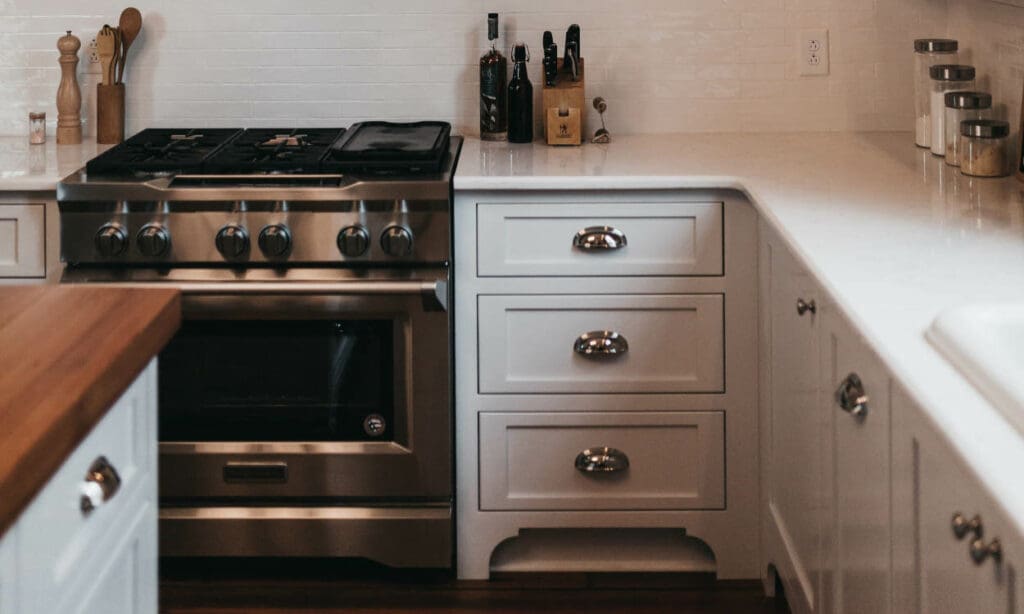
The humble kitchen is the most important and influential room in your entire home. Even for those who are perhaps not avid cooks, kitchens are still important parts of any home. They are where stories are told, meals are enjoyed, experiences are shared and memories are made. With the world moving in a direction of combining aesthetics with practicality, we’re excited to see what 2023 has in store for kitchen interiors and styles. And if you’re hungry for a new kitchen installation this year, have a gander at some of our favourite kitchen designs and trends cropping up this year for some inspiration. Trending Styles Organic & Eco-friendly With the population shifting focus towards nature and the environment, kitchen interiors have been and will continue to make a beeline towards organic, natural and sustainable styles. Homes in general have seen an increase in natural materials and decors such as plants, woods, wicker, and concrete incorporated into rooms and it would seem this won’t be stopping this year with kitchens. We’re pretty thankful to see this style becoming mainstream. Anything that can help reduce the use of microplastics and materials that aren’t brilliantly friendly to the environment is a win in our books! Re-use & Recycled Out with the old and in with the new couldn’t be farther from reality in 2023. We’re seeing a lot of repurposing of items and furnishings, all being added throughout entire homes in general. It’s a great way to show some love to an item that either had a previous purpose or belonged to someone else. And don’t discredit the idea of recycling something to add to your kitchen so easily! Yes, there are large-scale DIY projects you can do to repurpose an item for your kitchen but sometimes just buying a second-hand set of chairs off eBay or Facebook Marketplace and giving them a fresh lick of paint can really bring your food-prepping haven to life. Warm & Earthy Creating warmth via colours, textures, lighting etc creates an inviting and comforting feel which is one of the biggest attributes most people want when it comes to their kitchen. It needs to feel safe, welcoming and accommodating so using soft elements and natural lighting will bring this feeling of warmth into the kitchen. Combining rustic features with softer elements such as wood floors and neutral wall paints or wallpaper (and vice versa) can help to achieve this and make your kitchen feel earthy and spirited. Waking up to get breakfast or your morning coffee in a kitchen that breathes energy and warmth is perhaps the best way to feel rejuvenated and ready for the day ahead. Patterns & Textures Fluted If you’re searching for textures that just scream chic, then look no further than fluted (and ribbed textures). Whether you opt for bamboo, wood or other, this texture is an excellent addition to any modern kitchen. It’s a versatile style to incorporate into your kitchen and adds a real pop of character to the room. Plus, the movement and dramatic style further compliments the natural energy harnessed within kitchen spaces. Ribbed and fluted textures can be added to cupboards and drawers but are more popularly stylised on kitchen islands. Copper Copper and occasionally brass metals have been popular for a while now and are being increasingly introduced throughout homes, in particular bathrooms. But this style is starting to branch beyond the washroom environment and making its way into the kitchen scene. Copper accentuates other features of the kitchen such as the drawers, taps and even backsplashes. If you want your kitchen to hone in on that rustic and warm feel, then mixing in some metal features like copper is the way to go. Wood Like mentioned earlier, organic and natural assets such as wood are highly favoured elements of kitchens. Recent years saw popularity in lighter woods the likes of oaks and birch which were used for past trending Scandi-style kitchens. But now is the turn of slightly more dramatic and richer woods such as walnut and mahogany. Even painted woods are becoming quite trendy which we love to see. Whilst these can also include matte black painted wood, we have also seen some truly unique, fun and bolder choices such as greens, pinks and yellows. Colours Forest Greens Forest green has been a popular colour in the world of interior design for some time now but is something we’re looking forward to seeing more of this year in the kitchen especially. Rich Modern Sleek Ocean Blues Deep blues have also been popular in tandem with greens too. We’re especially fans of the blue-green colours that make us think of the ocean and navy colours too. Luxurious Adventurous Warming Matte Blacks Matte blacks are typically used in kitchens as accents but do also work well as the main attraction, especially if paired with complimentary wood flooring and furnishings. Powerful Contemporary Sophisticated Sage Greens Sage greens are seeing the light of day this year, particularly in those organic and natural kitchens. It’s a luscious and calming colour that replicates nature. We’re all for it. Calming Refreshing Harmonious Dusty Pinks Both a brilliant pairing with matte blacks and sage greens, but a solo trending colour by itself. Dusty pink kitchens are on the rise and partner superbly with lighter woods and patterns such as herringbone. Youthful Warming Invigorating Earthy Terracottas Terracottas and colours in the clay and rust palette are excellent for creating that organic and earthy feel that we’re looking forward to seeing in 2023. Somehow, it’s a style that is both classical and modern. Inviting Stimulating Enthusiastic Warm Whites Classics are timeless. The familiarity of whites for a kitchen is comforting but with the trend of warmth, whites that are not too polished seem to be taking over this year. We think they look brilliant and work well with all of the kitchen colour trends of 2023. Friendly Classical Versatile Features Styled Tiles/Slab Backsplashes Gone are the days of plain white wall tiles and backsplashes. 2023 is the
Skills and Qualifications Needed to Become a Plumber
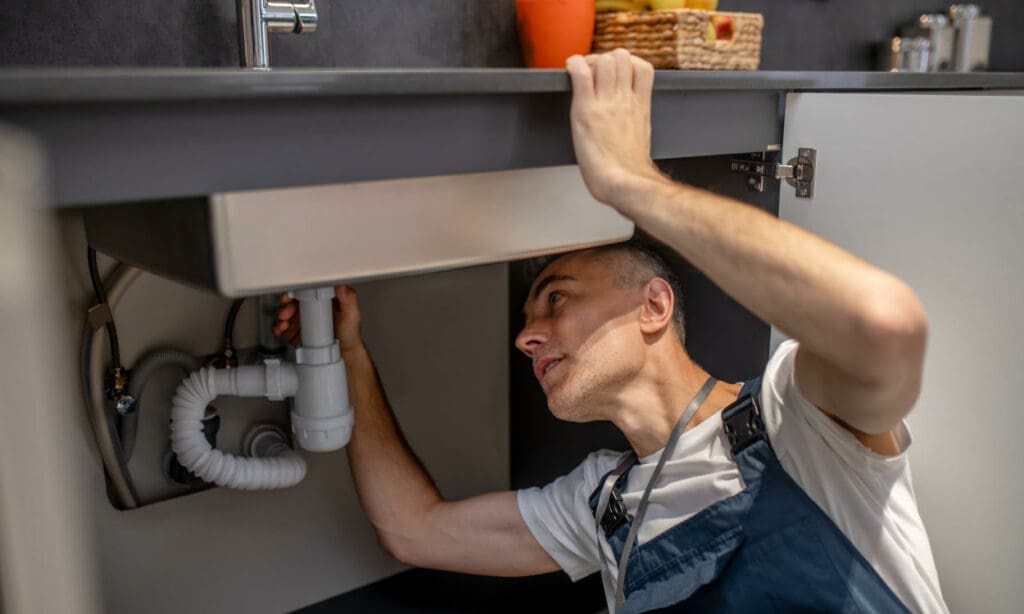
Whether you’re a school leaver searching for your first job, trying out different industries to see which fits you best or someone with plenty of past job experience but looking to retrain into a new career, the life of a plumber is certainly a fruitful and dynamic one. It’s a role that is always in demand and valued. If you enjoy helping people and doing hands-on work, this vocation is certainly one to start considering if you haven’t already. Here’s what you need to know about kickstarting this journey, including the skills and qualifications you’ll need to have in your back pocket. Responsibilities A plumber is a tradesperson that either works for themselves, a company or a local council. A plumber installs and maintains water, plumbing and central heating systems for homes or commercial buildings such as offices. Plumbers can also be a part of blueprinting tasks and work on designing systems and fixtures for a property. The responsibilities of a plumber will vary from project to project. The general duties of a plumber include, but are not limited to: Skills As with any career, there’s a mixture of hard skills and soft skills required to become a plumber. But the combination of these two skill types is so important for a plumber. You deal with members of the public and are entrusted to work on their properties so a strong toolkit of both personal attributes/characteristics and learnt skills are paramount for generating the ultimate customer experience for our clients. Some of the skills usually desired for plumbers to possess include: Working hours This can vary from tradesperson to tradesperson depending on the hours you work and your employment type, whether part-time, full-time, contract, permanent or temp. One thing that is guaranteed is that you don’t have to worry about sitting behind a desk for 8 hours a day. Plumbers operate on fieldwork so are usually on their feet for most of the day. Whilst the estimated hours of work are the usual 9-5, plumbers can also be required for emergency call-outs and last-minute emergency fixes. After all, a burst pipe doesn’t work on our time. Because of this, the estimated working hours for a plumber is around 37 – 40 hours per week but are subject to being longer as they may be needed for morning shifts, late-night shifts and even weekends/bank holidays. The hours are basically as and when you’re needed. Salary Your salary will be dependent on the hours you work and your skills/experience level. This isn’t uncommon and is usually the case for any vocation – the newer you are to a role and if you’re still learning the ropes, you’ll likely be sitting on the lower salary mark but with time, experience and expertise, so will too the money. In saying this, as there is seemingly a constant demand for plumbers due to how valuable and significant the role is, the pay for plumbers isn’t too shabby. The salary starts at roughly £15,000 per year for starters and can meet £40,000 per year for experienced plumbers. (Source: National Careers Service) The current average salary for plumbers in the UK is £30,838. This is as of February 2023 and subject to change. (Source: indeed) How to become a plumber Now you have a bit of background behind the career, earnings and requirements of a plumber, think it’s something you’re ready to go after? In that case, let’s walk through the different ways you can achieve your goal of becoming a plumber. Although you need to work hard, it’s not a career that you need to dedicate years and years to get into. And if you didn’t come out of secondary education with an A* in every single subject, don’t worry. It’s desirable to have at least your Maths and English GCSE at a grade C (4/5). What’s sought out more than GCSE results is your further education after secondary. You can apply for a plumbing college course or apprenticeship. Even work experience or working alongside a friend or family member as a ‘plumber’s assistant/mate’ can help further you along the path of becoming a plumber. If working on a construction site, you will need to make sure you have a CSCS card first. Qualifications you’ll need to have as a plumber Whether you obtain these qualifications via a college course, apprenticeship or other, you’ll ideally want to come out from your training/learning with a suitable qualification to add to your CV that shows your credibility and demonstrates employability to an employer. The most common qualifications for a plumber in the UK are: To further add to your credibility, you’ll also want to become registered as a Gas Safe engineer/plumber on the UK Gas Safe Register. In order to be added to the register, you will be required to hold a Level 3 Diploma in Gas Utilisation Installation and Maintenance or a Level 3 NVQ in Gas Installation and Maintenance. What is the typical career progression ladder for a plumber? Already thinking of the journey ahead and the career progression of a plumber? Of course, you must learn to walk before you can run but there’s no harm in scoping out the potential future promotions/pathways set out ahead of you. The role of a plumber can be varied and whilst sometimes you can specialise in one area such as ventilation, pipework, gas etc, you can also become a jack of all trades. If you’ve got your sights set on bigger sights, you may even become a manager or director of a plumbing business. Alternatively, if you enjoy passing your knowledge on to others, you could redirect back to where you may have begun your training and become a tutor or training professional for a college or educational institute. Think it’s the career for you? You’ve learnt what you need and how to become a plumber, now the power is in your hands and ultimately it’s your decision if it’s a career you want to pursue. We